
Subscribe to our newsletter.
-

Cleavable Vs. Non-Cleavable Linkers in ADCs
Antibody drug conjugates (ADCs) are a class of targeted cancer therapies that combine the specificity of monoclonal antibodies (mAbs) with the cytotoxic potency of small molecule drugs. These complex molecules consist of three components: the mAb, the cytotoxic drug, and the linker that connects them. The linker plays a critical role in ADCs as it…
-

What are PROTAC Linkers?
Proteolysis-targeting chimeras (PROTACs) are a novel class of small molecules that have the ability to induce the targeted degradation of specific proteins within cells. This technology represents a promising approach for developing therapeutic interventions for various diseases, including cancer, inflammatory disorders, and genetic diseases.
-
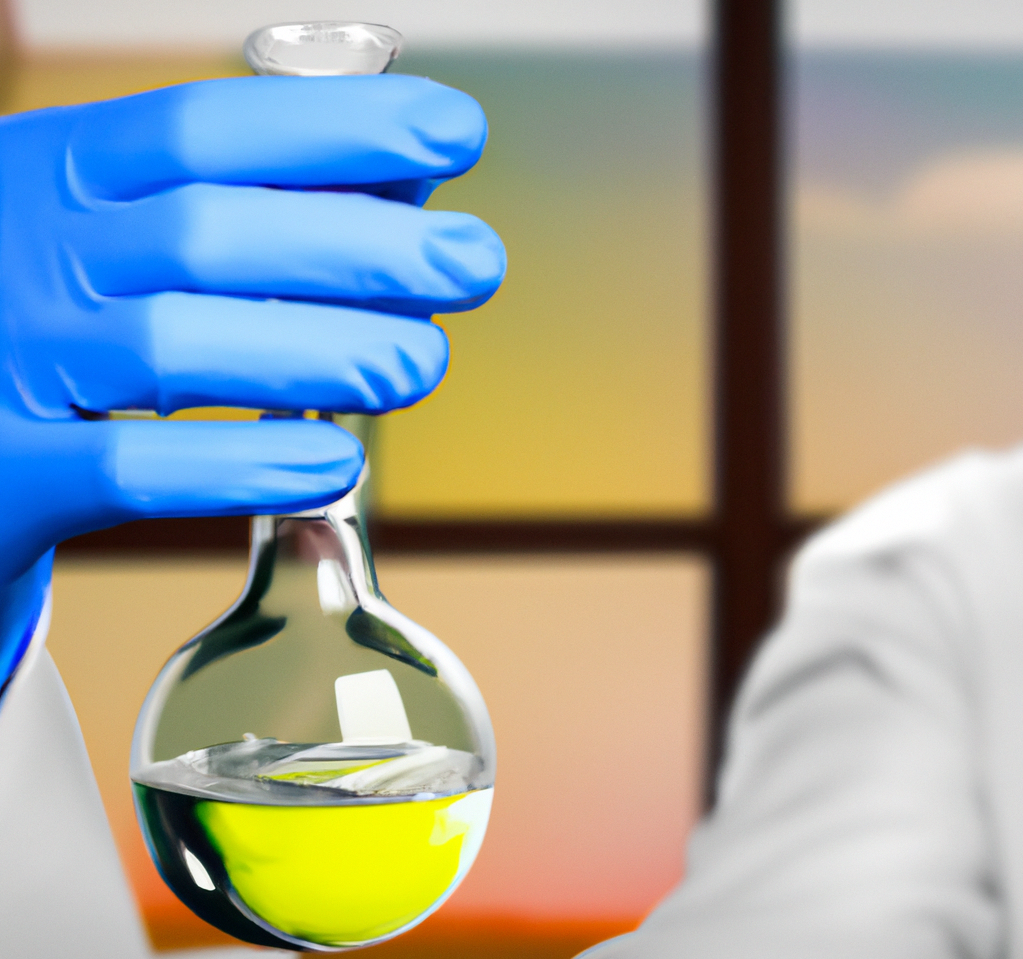
What is Click Chemistry
Chemical reactions are the backbone of modern science, and new techniques and methods are constantly being developed to make them more efficient and effective. One such development in the field of chemistry is click chemistry, a term coined by K. Barry Sharpless in 2001. Click chemistry is a set of principles and reactions designed to…
-
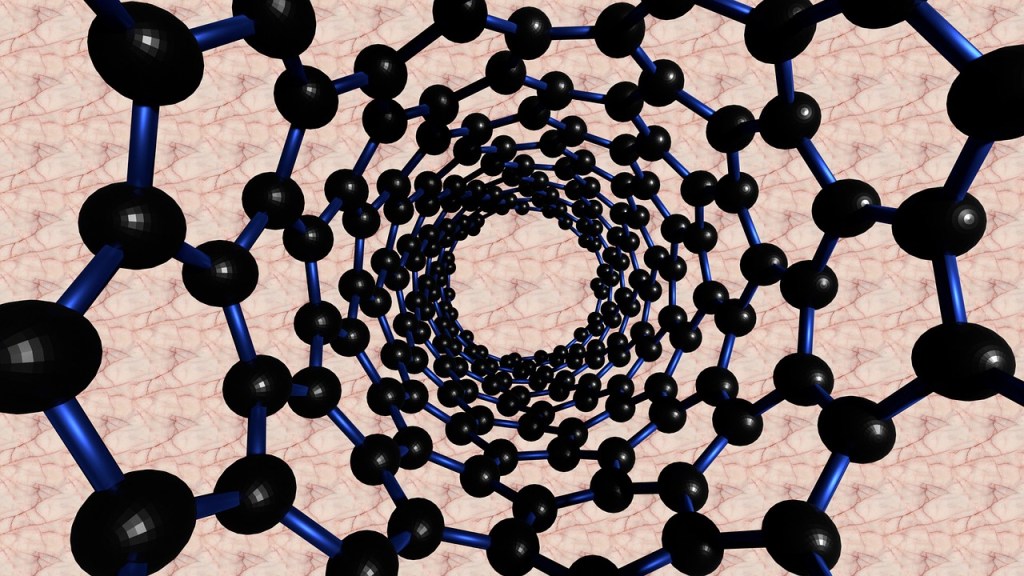
What is Polyethylene Glycol?
Polyethylene glycol (PEG) is a water-soluble polymer that has a wide range of applications in various industries.
-
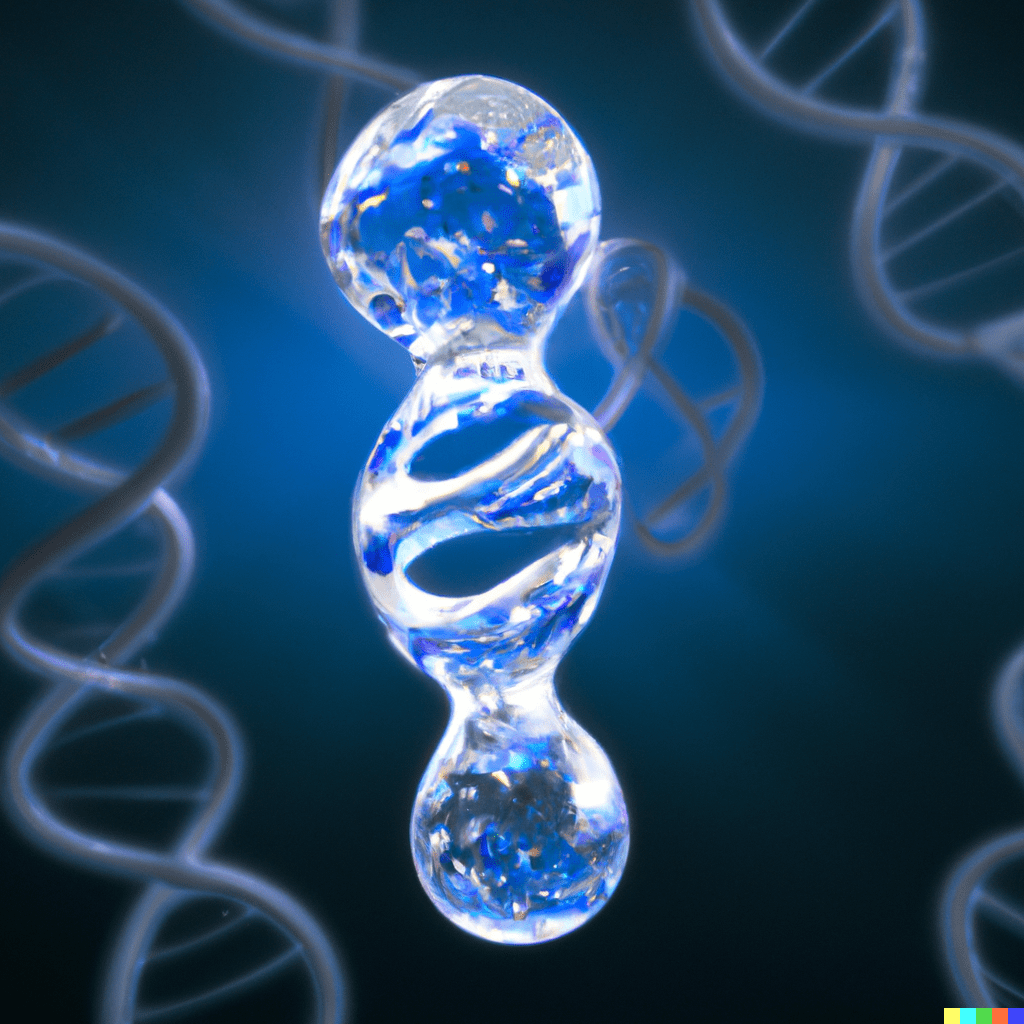
What are Phospholipids?
Phospholipids are a type of lipid, a class of molecules that are essential for the proper functioning of living organisms. In particular, phospholipids are a key component of cell membranes,
-
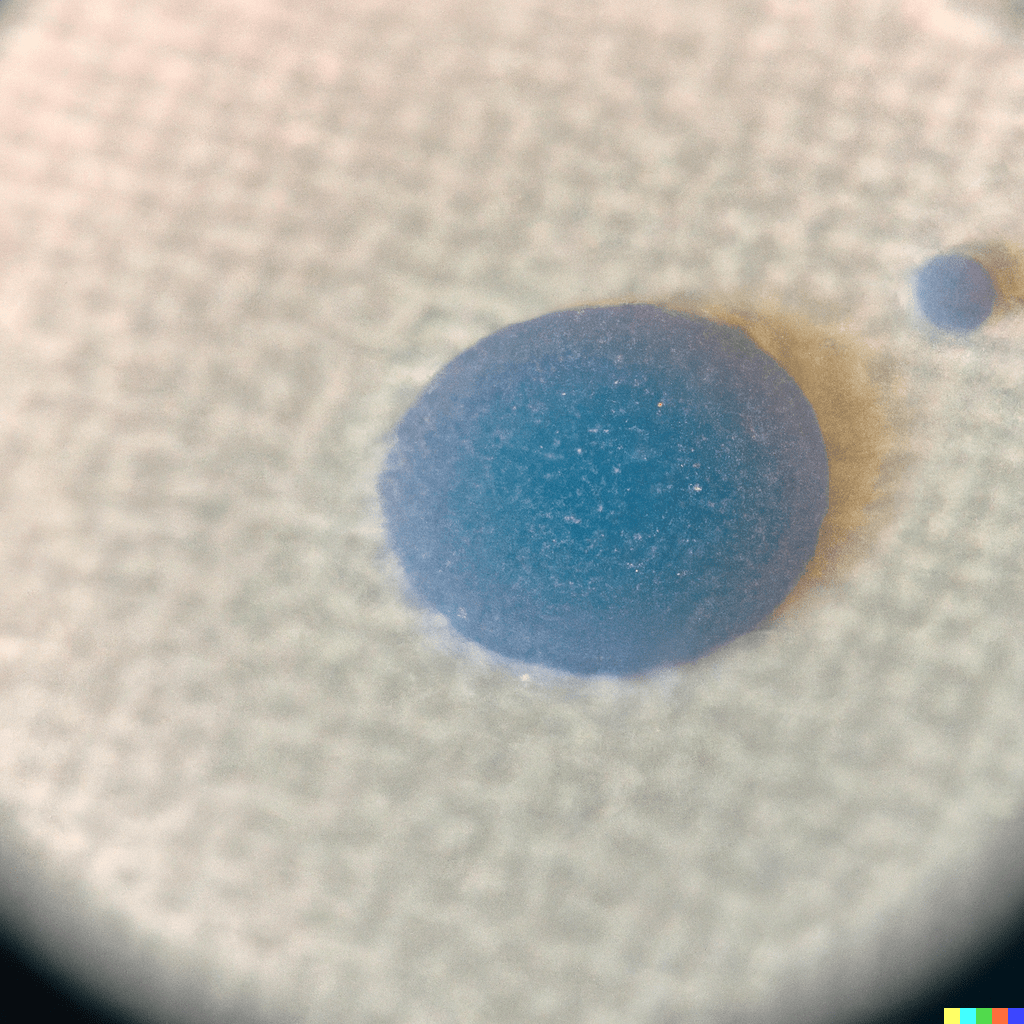
What are Ionizable Lipids?
Ionizable lipids are a type of lipid molecule that can undergo a change in charge state (positive to negative or vice versa) in response to changes in the surrounding environment. These lipids play a crucial role in many biological processes and have received considerable attention in recent years for their potential use in drug delivery…

