
Subscribe to our newsletter.
-
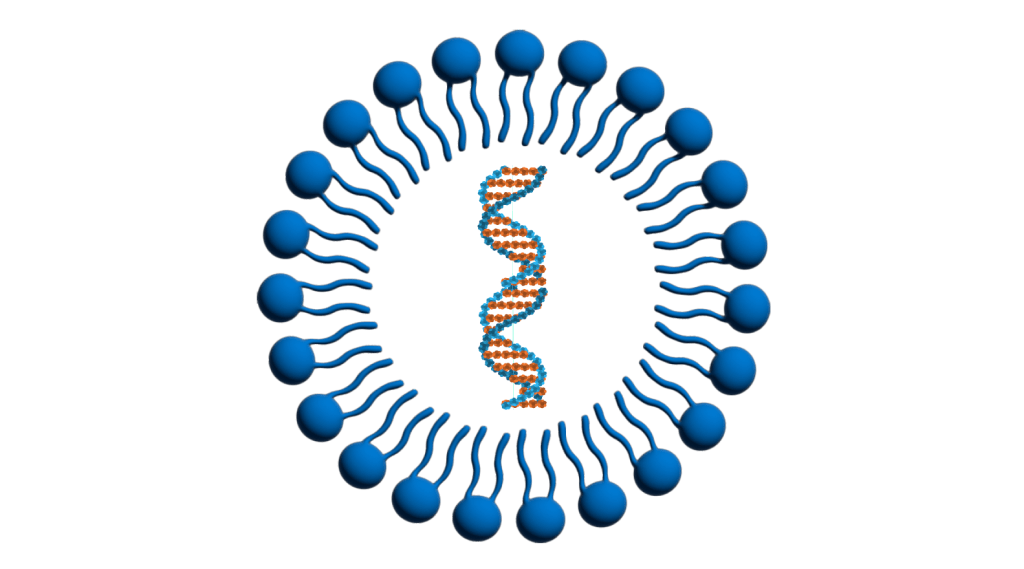
Correlation between ionizable lipids selection and biodistribution
The development of mRNA vaccines has revolutionized the field of vaccination by offering a rapid response to infectious diseases, including COVID-19. These vaccines work by using messenger RNA (mRNA) to instruct cells to produce viral proteins, triggering an immune response to protect against the virus. However, the delivery of mRNA vaccines to the appropriate cells…
-
Mono and Polydispersed PEG in Drug Delivery
Polyethylene glycol, commonly known as PEG, is a versatile polymer that has gained significant attention in the field of drug delivery. PEG is a hydrophilic and biocompatible polymer that can be modified to suit various applications in drug delivery. PEG can exist in two forms: monodispersed PEG and polydispersed PEG.
-

What is Biotinylation?
Biotinylation is a process in which a biotin molecule is attached to a protein or other molecule. This chemical modification is widely used in molecular biology, biochemistry, and biotechnology for a variety of purposes. In this blog post, we will explore what biotinylation is, how it is done, and its applications.
-

AI & Antibody Drug Conjugates (ADC)
Antibody drug conjugates (ADCs) are a promising class of therapeutics that combine the specificity of monoclonal antibodies with the potency of small molecule drugs. These conjugates are designed to target specific cancer cells and deliver a cytotoxic payload directly to the tumor, minimizing damage to healthy tissue. While ADCs have shown great potential, their development…
-
What is The Role of Helper Lipids in Drug Delivery?
Lipid nanoparticles have gained immense popularity in recent years as drug delivery vehicles due to their high stability, biocompatibility, and ability to encapsulate a wide range of hydrophobic and hydrophilic drugs. However, the development of lipid nanoparticles is still in its nascent stage, and researchers are constantly exploring new ways to improve their efficiency and…
-

Rotatable Bonds & Drug Development
Rotatable bonds are a critical factor in the design and development of drug molecules. In medicinal chemistry, the number of rotatable bonds in a molecule is an essential physicochemical property that affects its efficacy and pharmacokinetic properties. Rotatable bonds are single bonds that can freely rotate around their axis, which determines the molecule’s conformational flexibility.

